
Tile and Grout Cleaning: Why Mopping Isn’t Enough (And What to Do Instead)
By Black Diamond Services | Professional Carpet & House Cleaning in Stanislaus and San Joaquin Counties
Mopping cleans your tile. It doesn’t clean your grout. That distinction explains why tile floors gradually look worse over time even when you clean them regularly—the tile surface stays relatively clean while the grout lines darken, discolor, and trap odors that no amount of mopping will remove.
Grout is porous. It absorbs dirt, grease, soap residue, and moisture every time you mop, walk across the floor, or spill something. Regular mopping actually pushes dirty water into grout lines rather than extracting what’s already there. This is why grout that started white or light gray slowly turns brown, black, or an uneven mottled color that makes the entire floor look dirty.
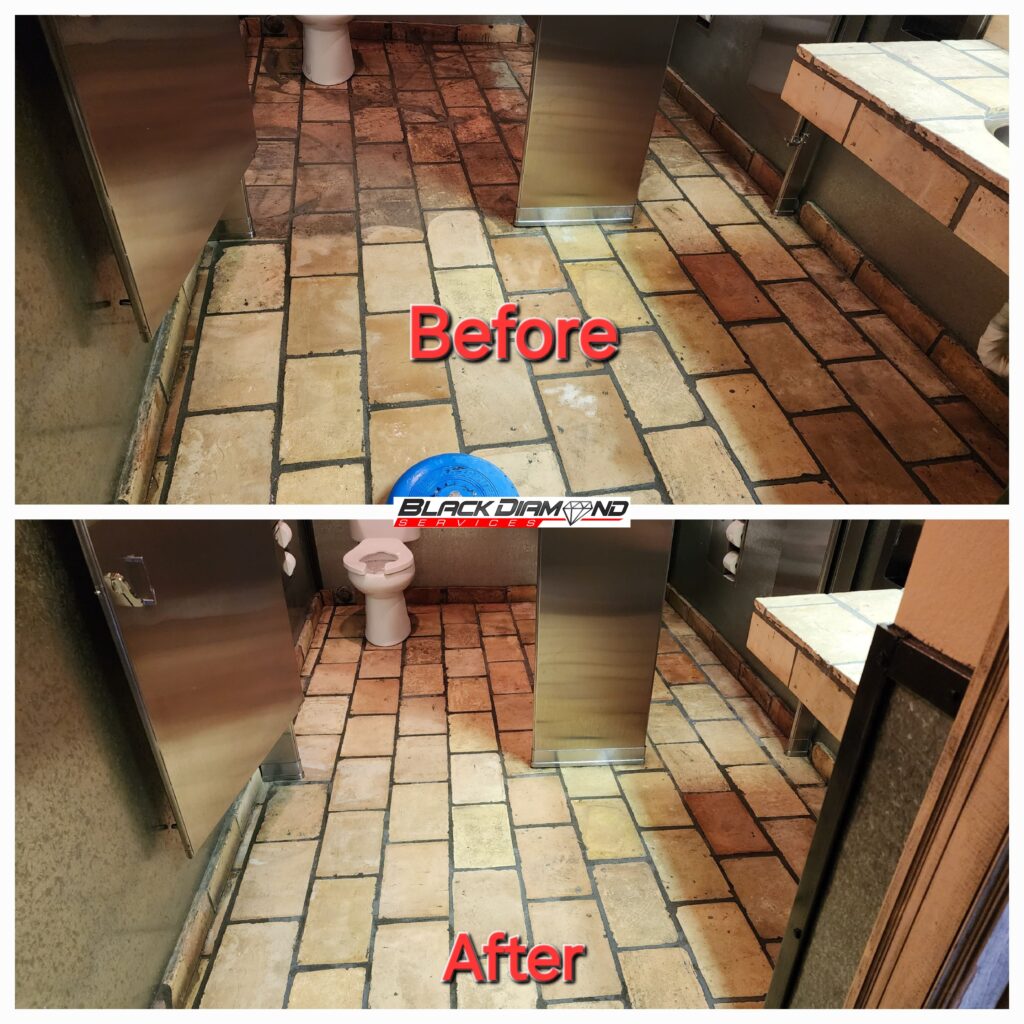
We’ve restored tile and grout in kitchens, bathrooms, and entryways throughout Oakdale, Modesto, Turlock, Manteca, and the Central Valley since 2017. The pattern is almost always the same: homeowners mop regularly, notice their grout getting darker, scrub harder with various products, and eventually assume the discoloration is permanent. In most cases, it isn’t. Professional cleaning can restore grout that hasn’t been cleaned properly in years.
This guide explains why grout gets dirty despite regular mopping, what actually works to clean it, and how to maintain your tile floors after professional restoration.
Understanding Why Grout Absorbs Everything
Grout and tile behave completely differently when exposed to water, dirt, and cleaning products. Understanding this difference explains why your cleaning routine works for one but not the other.
Tile Is Non-Porous
Ceramic, porcelain, and most natural stone tiles have a glazed or sealed surface that repels liquids. When you mop tile, water and cleaning solution sit on top of the surface, dissolve surface dirt, and get wiped away. The tile doesn’t absorb what you’re putting on it.
This is why tile stays relatively clean with regular mopping. Surface contaminants wipe away because they can’t penetrate the tile itself.
Grout Is Porous
Grout is cement-based and full of tiny holes and channels that absorb liquid. When you mop, the dirty water you’re pushing around doesn’t just sit on top of the grout—it soaks in, carrying dissolved dirt, soap, grease, and bacteria into the grout’s porous structure.
Each time you mop, you’re depositing a fresh layer of contaminants into the grout. Over months and years, this accumulation builds up inside the grout, not just on top of it. The discoloration you see isn’t a surface stain—it’s contamination that has penetrated into the grout material itself.
The Mopping Problem
Standard mopping creates a cycle that makes grout progressively dirtier:
- You mop the floor with water and cleaning solution
- The mop picks up surface dirt from tile and dissolves it into the mop water
- As you continue mopping, you spread increasingly dirty water across the floor
- Dirty water absorbs into porous grout lines
- Water evaporates, but the dirt and residue remain inside the grout
- You repeat this process weekly or more frequently
- Grout gets darker over time as contamination accumulates
This is why grout looks worse in high-traffic areas and sections you mop most frequently. The areas getting the most “cleaning” are actually getting the most contamination deposited into them.
What’s Actually in Your Grout
When we clean grout professionally, we’re extracting years of accumulated contamination. Here’s what typically builds up in grout lines throughout your home:
Kitchen Floor Grout
- Cooking grease and oil splatter
- Food particles and spills
- Soap and cleaning product residue
- Foot traffic soil from the rest of the house
- Bacteria from food preparation
Kitchen grout often develops a sticky, greasy feel in addition to discoloration. The combination of cooking oils and cleaning product residue creates a film that attracts and holds additional dirt.
Bathroom Floor and Shower Grout
- Soap scum from body wash, shampoo, and bar soap
- Body oils and skin cells
- Hard water mineral deposits
- Mold and mildew growth in damp areas
- Cleaning product residue
Bathroom grout faces constant moisture exposure, which accelerates contamination absorption and creates conditions for mold and mildew growth. The pink or orange discoloration sometimes seen in shower grout is actually bacteria (Serratia marcescens) that thrives in moist environments.
Entryway and High-Traffic Grout
- Tracked-in soil from outdoors
- Sand and grit particles
- Road salt and ice melt chemicals (seasonal)
- Pollen and outdoor allergens
- Mud and clay deposits
Central Valley homes deal with significant dust and agricultural particulates tracked in from outside. Entryway grout often shows the most dramatic discoloration because it receives the highest concentration of outdoor soil.
Grout Around Toilets
- Urine splatter and drips
- Cleaning chemical residue
- Bacteria accumulation
- Moisture from condensation
Grout immediately surrounding toilets often develops persistent odors that cleaning doesn’t eliminate. This is because urine has soaked into the porous grout over time, and surface cleaning can’t reach the contamination.
Why DIY Grout Cleaning Methods Fall Short
Before calling a professional, most homeowners try multiple DIY approaches. Some help temporarily, but none address the fundamental problem of contamination absorbed inside porous grout.
Scrubbing with a Brush
Aggressive scrubbing with a stiff brush can remove surface contamination and may lighten grout slightly. However, scrubbing can’t extract what’s absorbed inside the grout—it only addresses the very top layer. Heavy scrubbing can also damage grout by creating scratches and pits that hold even more dirt going forward.
Bleach and Chlorine Cleaners
Bleach whitens grout temporarily by chemically lightening discoloration. It doesn’t remove the dirt—it changes the color of the dirt. Within weeks, the grout typically returns to its discolored state because the contamination is still there.
Bleach also poses risks. It can discolor colored grout permanently, damage natural stone tiles, corrode metal fixtures, and release harmful fumes, especially in enclosed bathrooms. Mixing bleach with other cleaning products can create dangerous chemical reactions.
Baking Soda and Vinegar
This popular DIY combination creates fizzing that feels like it’s doing something powerful. In reality, baking soda (a base) and vinegar (an acid) neutralize each other, leaving you with essentially salty water. The scrubbing action provides some surface cleaning, but there’s no deep extraction happening.
Vinegar’s acidity can also damage grout over time, particularly if used frequently. It can etch natural stone tiles and break down grout sealers.
Steam Mops
Steam mops apply heat and moisture, which helps loosen surface dirt. However, they lack extraction capability—they’re pushing hot water into grout rather than removing contamination from it. Without extraction, steam mops often make the moisture-absorption problem worse.
Oxygen Bleach Products
Products containing sodium percarbonate (oxygen bleach) are less harsh than chlorine bleach and can provide some whitening effect. They work better than chlorine bleach for cleaning rather than just lightening, but still can’t extract contamination that has absorbed deep into grout.
Grout Pens and Paint
Some homeowners give up on cleaning and try to cover discolored grout with paint-on products. These provide a temporary cosmetic fix but don’t address the underlying contamination. The paint eventually wears away, chips, or peels, often looking worse than the original discoloration.
How Professional Tile and Grout Cleaning Works
Professional tile and grout cleaning uses different equipment and techniques than any consumer approach. The process involves breaking down embedded contamination and extracting it from grout rather than simply scrubbing the surface.
Inspection and Pre-Treatment
Technicians assess your tile and grout type, identify problem areas, and select appropriate cleaning solutions. Different situations require different approaches—shower grout with mold needs different treatment than kitchen grout with grease buildup.
A specialized grout cleaning solution is applied and allowed to dwell on the surface. This solution penetrates into porous grout and breaks the bond between contaminants and the grout material. Dwell time allows the chemistry to work before mechanical agitation begins.
Mechanical Agitation
After pre-treatment, specialized brushes work the cleaning solution into grout lines. Professional equipment uses rotary or oscillating brush heads that clean grout more thoroughly and consistently than hand scrubbing. This agitation loosens embedded contamination and brings it to the surface for extraction.
For heavily soiled grout, technicians may use a small rotary tool to clean each grout line individually, applying focused pressure where buildup is most severe.
High-Pressure Extraction
This is the step that separates professional cleaning from any DIY method. High-pressure extraction equipment simultaneously applies cleaning solution and vacuums it back out, removing the contamination that has been loosened by pre-treatment and agitation.
The extraction process pulls dirty water, dissolved grease, dirt, bacteria, and cleaning residue out of the grout rather than leaving it behind or pushing it deeper. This is why professional cleaning produces dramatically better results than surface scrubbing—the contamination is actually removed from the porous grout structure.
Rinsing and Final Extraction
After the primary cleaning pass, a rinse step removes any remaining cleaning solution residue. Leaving chemical residue in grout would attract new dirt quickly, shortening the time before the floor looks dirty again. Thorough rinsing and extraction leave grout clean without residue buildup.
Optional: Grout Sealing
Once grout is clean and dry, applying a penetrating sealer fills the porous structure and prevents future contamination from absorbing as readily. Sealed grout stays cleaner longer and is easier to maintain between professional cleanings.
Sealing is optional but recommended, especially for high-traffic areas, kitchens, and bathrooms where moisture and contamination exposure is highest.
What Professional Cleaning Can and Cannot Fix
Setting realistic expectations helps you understand what results to expect from professional tile and grout cleaning.
What Professional Cleaning Typically Accomplishes
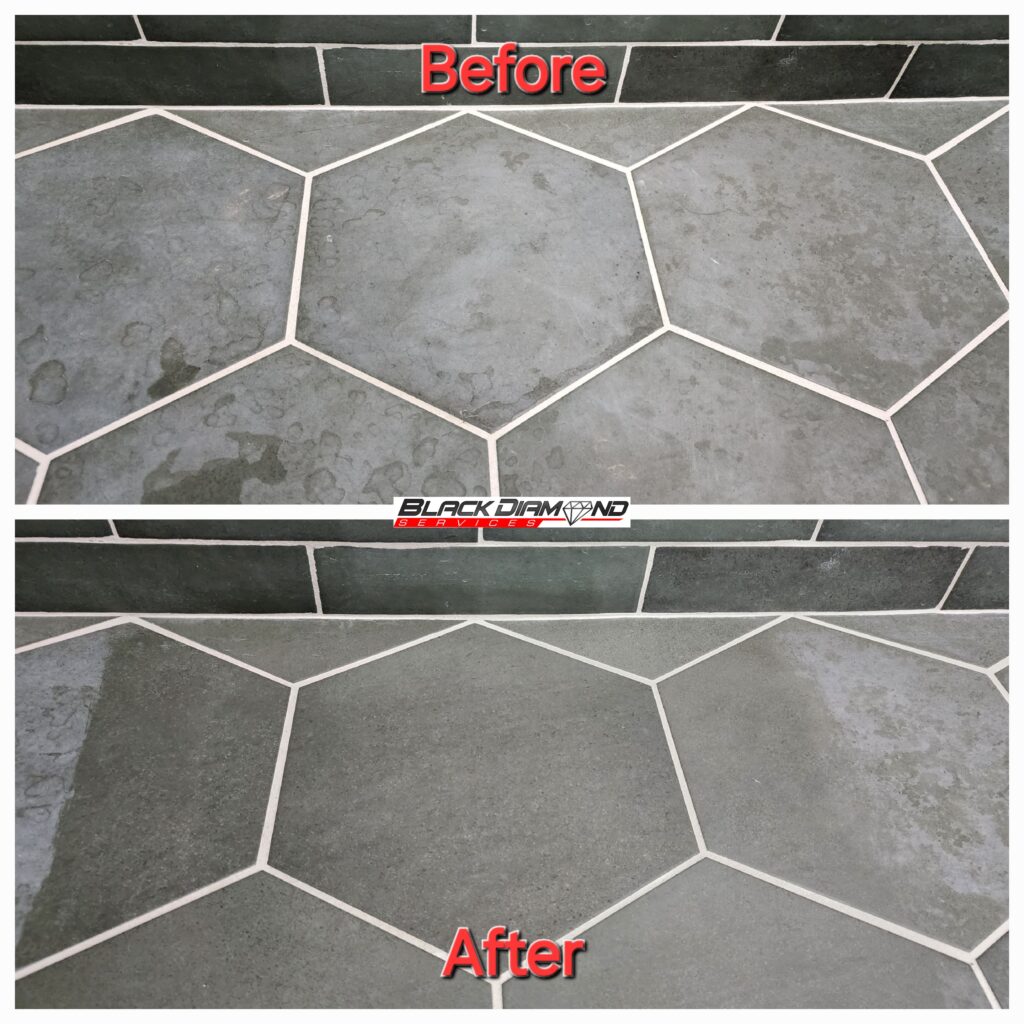
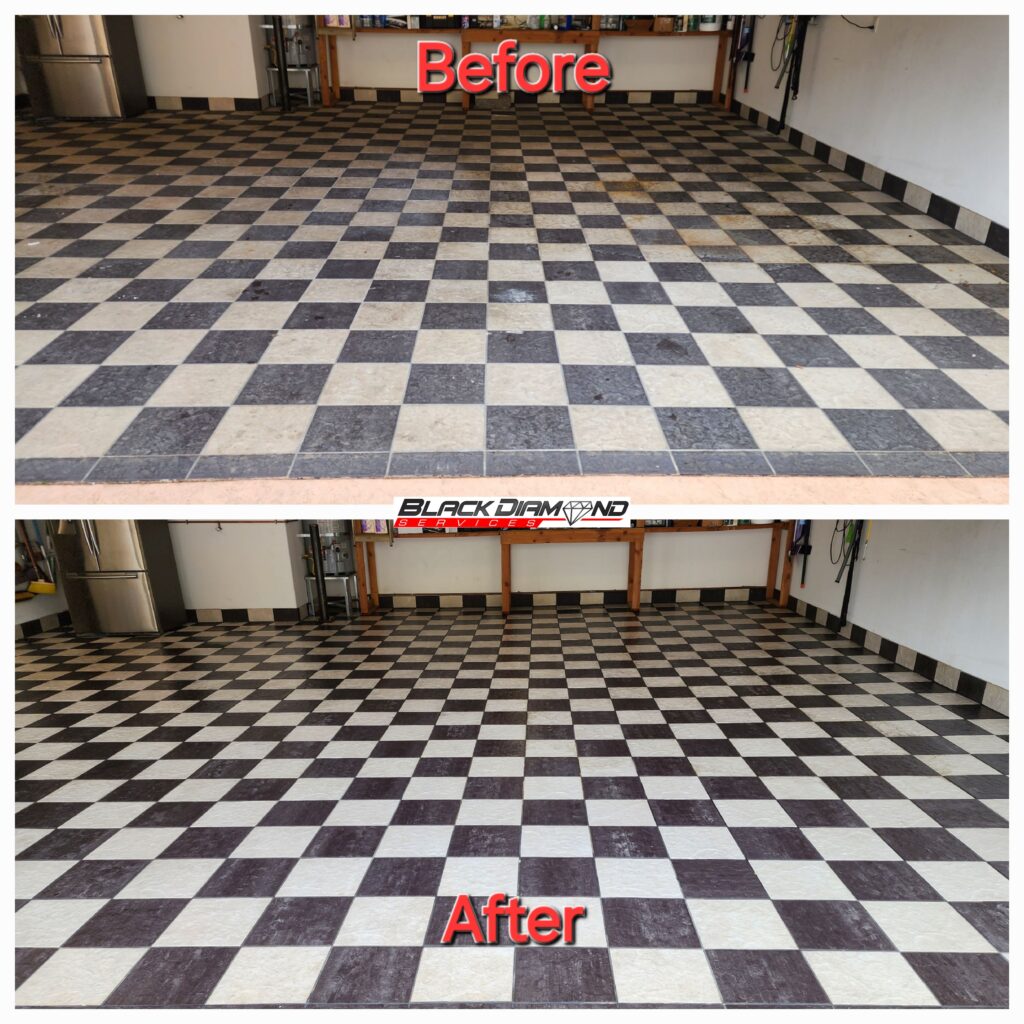
Dramatic lightening of discolored grout. Grout that has turned brown, gray, or black from years of contamination usually returns to something close to its original color. The improvement is often dramatic enough that homeowners think the grout has been replaced.
Elimination of embedded odors. Grout that has absorbed pet urine, mildew, or food contamination often smells even when it looks clean. Extraction removes odor-causing contamination rather than masking it.
Removal of soap scum and hard water deposits. Bathroom tile and grout covered in hazy soap scum or mineral deposits comes clean, restoring the original shine and color.
Elimination of surface mold and mildew. Mold growth on grout surfaces is removed, and treatment kills mold spores. For surface-level mold, cleaning eliminates the problem.
What May Not Be Fully Correctable
Permanent dye stains. Some substances—hair dye, certain food dyes, rust—chemically bond with grout and cannot be removed completely. Professional cleaning improves these situations but may not eliminate discoloration entirely.
Grout damage and erosion. Grout that has cracked, crumbled, or eroded due to age or harsh chemical exposure cannot be restored through cleaning. Damaged grout needs repair or replacement.
Deeply penetrated mold. Mold that has grown through grout and into the substrate beneath requires remediation beyond cleaning. Surface cleaning removes visible mold but won’t address contamination that has spread behind tiles.
Color changes from bleach damage. Grout that has been lightened unevenly by previous bleach use may have permanent color variation. Cleaning can’t reverse chemical bleaching.
Heavily worn grout. In very old installations where grout has worn down significantly below the tile surface, cleaning improves appearance but can’t restore the missing grout material.
Grout Cleaning for Different Areas of Your Home
Different areas face different contamination challenges and may need different cleaning frequencies.
Kitchen Floors
Kitchen grout contends with grease, food spills, and heavy foot traffic. Most kitchens benefit from professional cleaning every 12-18 months, with more frequent cleaning for households that cook often or have high traffic.
Between professional cleanings, wipe up grease splatters promptly rather than waiting for your regular mopping schedule. Grease that sits on grout absorbs quickly.
Bathroom Floors and Showers
Bathrooms face constant moisture exposure. Shower grout, especially, needs professional attention every 12-18 months—or sooner if you notice mold or mildew developing. Good ventilation (running the exhaust fan during and after showers) significantly extends the time between cleanings.
Bathroom floor grout around toilets often needs spot treatment for odor elimination even when the rest of the bathroom grout looks acceptable.
Entryways and Mudrooms
Entry areas receive tracked-in soil concentrated in a small space. These high-traffic zones often need cleaning more frequently than other areas—every 12 months or when visible traffic patterns develop.
Entry mats capture a significant amount of incoming soil and extend the time between grout cleanings. Use both an outdoor scraper mat and an indoor wipe mat for best results.
Living Areas and Hallways
General living areas with tile floors typically need cleaning every 18-24 months depending on household traffic levels. Look for developing traffic patterns—darkened grout along walking paths indicates it’s time for cleaning.
Maintaining Clean Grout Between Professional Cleanings
After investing in professional tile and grout cleaning, proper maintenance keeps your floors looking better longer.
Change Your Mopping Approach
The single most effective change is using clean water and changing it frequently. Don’t mop the entire house with the same bucket of water—you’re just spreading dirty water from room to room.
For tile and grout, consider:
- Using a fresh bucket of water for each room or area
- Rinsing your mop head frequently
- Using a two-bucket system (one with cleaning solution, one with rinse water)
- Switching to a microfiber mop that picks up rather than pushes dirt
Use pH-Neutral Cleaners
Many household floor cleaners leave residue that builds up on grout and actually attracts more dirt. Use pH-neutral cleaners specifically designed for tile floors. Avoid cleaners with wax, oil, or heavy fragrances that leave residue.
Address Spills Immediately
When spills happen—especially colored liquids, grease, or acidic substances—clean them up immediately rather than waiting for your regular mopping. The longer a spill sits on grout, the deeper it absorbs.
Seal Grout After Professional Cleaning
If your cleaning service offers grout sealing, strongly consider it. Sealed grout absorbs less contamination, resists staining better, and stays cleaner between professional cleanings. Sealer typically lasts 1-3 years depending on traffic and wear.
Improve Ventilation in Bathrooms
Run your bathroom exhaust fan during showers and for at least 30 minutes afterward. Reducing moisture reduces mold and mildew growth on grout. If your bathroom lacks adequate ventilation, consider adding a fan or leaving the door open after showers.
Use Entry Mats
Place quality mats at all exterior doors to capture soil before it reaches your floors. Clean or replace mats regularly—a dirty mat stops working and begins redistributing soil.
How Often Should You Have Tile and Grout Professionally Cleaned?
Cleaning frequency depends on your specific situation:
Every 12 months: High-traffic households, homes with pets, kitchens used for frequent cooking, bathrooms with ventilation issues
Every 18 months: Average households, well-ventilated bathrooms, moderate traffic levels
Every 24 months: Light-traffic areas, well-maintained grout that was sealed after previous cleaning, secondary spaces with limited use
Watch for signs that cleaning is needed regardless of schedule: visible traffic patterns in grout, grout that’s noticeably darker than when it was cleaned, persistent odors in bathroom grout, or mold and mildew appearing in showers.
Tile and Grout Cleaning Costs in the Central Valley
Professional tile and grout cleaning in the Modesto, Oakdale, and greater Central Valley area typically costs between $150 and $400 depending on the total square footage, grout condition, and whether sealing is included.
Factors affecting price:
- Total square footage of tile flooring
- Current condition and severity of discoloration
- Whether grout sealing is included
- Shower and tub surrounds (more labor-intensive than floors)
- Number of areas or rooms being cleaned
Most professional cleaning services provide free estimates, allowing you to get accurate pricing for your specific situation.
When considering cost, compare professional cleaning to tile replacement. Replacing tile flooring costs $7-15 per square foot installed. For a typical kitchen or bathroom, that’s thousands of dollars. Professional cleaning that restores the appearance of existing tile represents significant savings over replacement.
Frequently Asked Questions
Why does my grout look dirty right after mopping?
If grout looks dark or dirty immediately after mopping, you’re likely pushing dirty water into the grout lines. Try using cleaner water, changing water more frequently, or switching to a microfiber mop that extracts rather than pushes moisture.
Can I use a steam cleaner on my tile and grout?
Steam provides some sanitizing benefit and can loosen surface dirt, but steam alone doesn’t extract contamination from grout. Without extraction, the loosened dirt often redeposits as the floor dries. Steam is better than nothing but not a substitute for professional extraction cleaning.
How long does professional tile and grout cleaning take?
Most bathroom floors take 30-60 minutes. Kitchen floors typically take 45-90 minutes depending on size. Larger areas or heavily soiled grout may take longer. Floors are typically dry and walkable within 1-2 hours.
Should I seal my grout?
Sealing is recommended for most installations, especially in kitchens, bathrooms, and entryways. Sealed grout absorbs less contamination, resists staining, and stays cleaner longer. The main exception is epoxy grout, which is non-porous and doesn’t require sealing.
How long does grout sealer last?
Most penetrating sealers last 1-3 years depending on traffic, cleaning frequency, and exposure to moisture. You’ll know sealer is wearing off when water stops beading on the grout surface and begins absorbing instead.
Can you clean grout without cleaning the tile?
Technically yes, but it rarely makes sense. Tile cleaning is fast and inexpensive compared to grout cleaning. When we’re already set up with equipment on site, cleaning both costs marginally more and ensures consistent results across your floor.
Will cleaning damage my grout?
Professional cleaning with appropriate methods and equipment does not damage grout. Harsh DIY methods—aggressive scrubbing with stiff metal brushes, acidic cleaners, excessive pressure washing—can cause damage. Professional technicians select methods appropriate for your grout type and condition.
My grout is cracked. Can cleaning help?
Cleaning won’t repair cracked or missing grout, but it can clean what remains. If cracking is limited to a few areas, spot repairs can be made after cleaning. If cracking is extensive, you may need professional regrouting before or instead of cleaning.
About Black Diamond Services
Black Diamond Services is a family-owned cleaning company based in Oakdale, California, serving Stanislaus and San Joaquin counties since 2017. Founded by Nolan and Janel Hill, Black Diamond has earned over 275 five-star reviews by treating every home like our own.
We provide professional tile and grout cleaning using commercial extraction equipment that removes embedded contamination rather than just scrubbing the surface. Our technicians assess your specific situation, select appropriate cleaning methods, and can apply penetrating sealer to keep your grout cleaner longer.
Our services include carpet cleaning, house cleaning, tile and grout cleaning, rug cleaning, upholstery cleaning, hardwood floor cleaning, luxury vinyl plank cleaning, natural stone cleaning, and dryer vent cleaning throughout Oakdale, Modesto, Turlock, Tracy, Manteca, Ripon, Riverbank, Hughson, Escalon, Salida, Denair, and surrounding Central Valley communities.
Every job includes our 100% satisfaction guarantee, transparent pricing with no hidden fees, and the personalized service you’d expect from a local, family-operated business.
Ready to see what your grout is supposed to look like? Call Black Diamond Services at (209) 264-8898 for a free estimate.
Last updated: March 2026