
Dryer Vent Cleaning: The Home Maintenance Task That Could Save Your Life
By Black Diamond Services | Professional Carpet & House Cleaning in Stanislaus and San Joaquin Counties
Clogged dryer vents cause approximately 2,900 home fires every year in the United States, resulting in deaths, injuries, and millions of dollars in property damage. The U.S. Fire Administration reports that failure to clean dryer vents is the leading cause of dryer fires—ahead of electrical and mechanical failures combined.
Despite these statistics, dryer vent cleaning remains one of the most overlooked home maintenance tasks. Most homeowners clean the lint trap after each load and assume that’s sufficient. It isn’t. The lint trap catches only about 75% of the lint produced during drying. The remaining 25% passes through and accumulates in the vent system over time, creating a highly flammable blockage that restricts airflow and causes your dryer to overheat.
We’ve cleaned dryer vents in homes throughout Oakdale, Modesto, Turlock, Manteca, and the Central Valley since 2017. In many cases, homeowners had no idea how much lint had accumulated in their vents—or how close they were to a potential fire. This guide explains the real risks of neglected dryer vents, warning signs that indicate cleaning is overdue, and what professional cleaning involves.
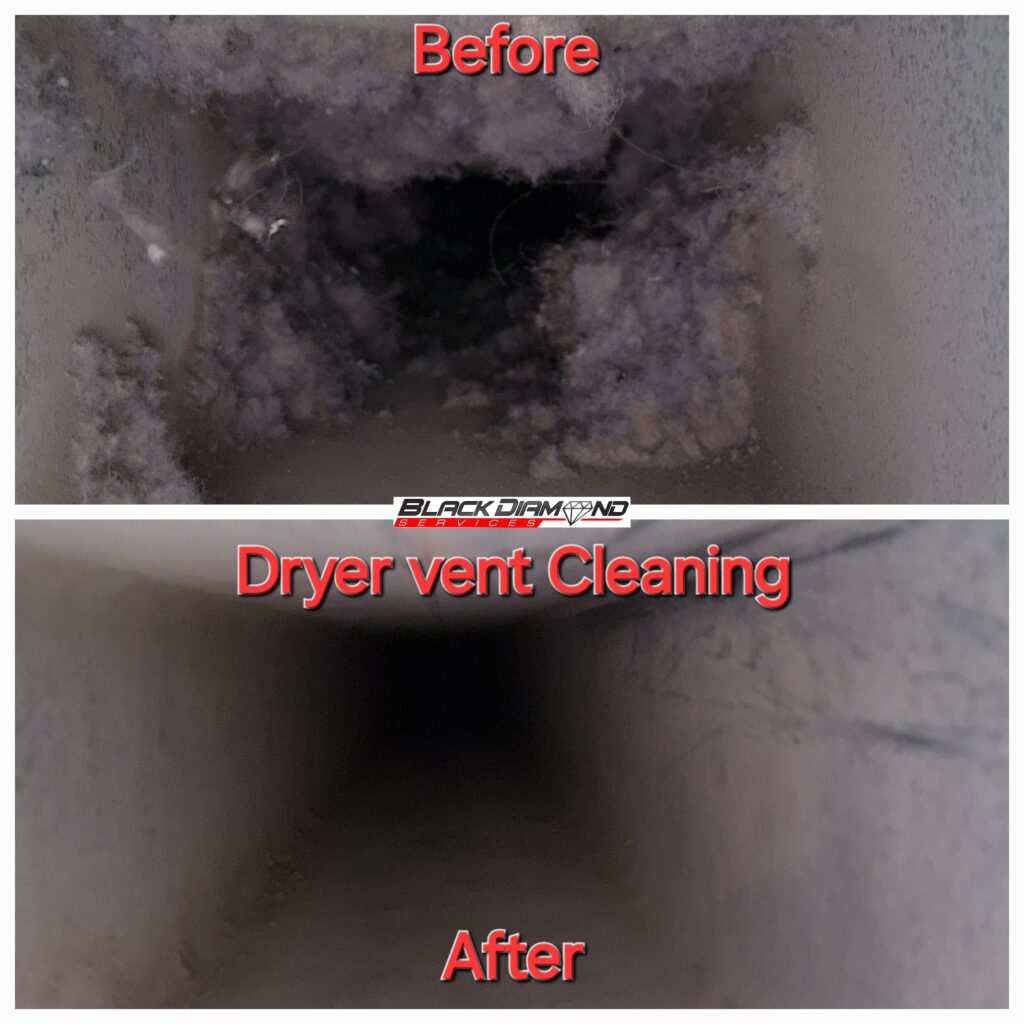
Why Dryer Vent Fires Happen
Understanding how dryer fires start helps explain why vent cleaning is so critical.
Lint Is Highly Flammable
Lint is composed of tiny fabric fibers—essentially the same material as paper or cotton. It ignites easily and burns rapidly. The National Fire Protection Association classifies lint accumulation as a serious fire hazard precisely because of how readily it catches fire when exposed to heat or sparks.
Your dryer generates significant heat during operation. When that heat can’t escape properly due to a clogged vent, temperatures rise inside the dryer and throughout the vent system. Add accumulated lint to an overheated environment, and you have the conditions for ignition.
Restricted Airflow Causes Overheating
A clean dryer vent allows hot, moist air to flow freely from your dryer to the outside of your home. When lint accumulates in the vent, this airflow becomes restricted. The dryer has to work harder to push air through the blockage, and heat that should be exhausting outside builds up inside the system instead.
This overheating stresses dryer components, causes the heating element to cycle more frequently, and raises temperatures throughout the vent to levels the system wasn’t designed to handle. Over time, this creates conditions where lint ignition becomes increasingly likely.
The Fire Often Starts in the Vent, Not the Dryer
Many people assume dryer fires start inside the dryer itself. While this can happen, fires frequently ignite in the vent duct, particularly at bends, joints, or the exterior vent cover where lint accumulation is heaviest. A fire that starts in the vent can spread to wall cavities, attic spaces, or other areas before anyone notices smoke or flames inside the home.
Fires that start inside walls are particularly dangerous because they can spread significantly before being detected, and they’re harder to extinguish once discovered.
Warning Signs Your Dryer Vent Needs Cleaning
Your dryer gives clear signals when the vent is becoming clogged. Recognizing these warning signs can prevent both fire risk and unnecessary energy costs.
Clothes Take Longer Than One Cycle to Dry
This is the most common and obvious sign of a restricted vent. When hot, moist air can’t escape efficiently, moisture stays in your clothes longer. Loads that used to dry in 45 minutes now take an hour, then 90 minutes, then require a second cycle entirely.
If you’re running loads twice to get clothes fully dry, your vent almost certainly needs cleaning. Beyond the fire risk, you’re also paying twice the energy cost for each load.
The Dryer Gets Unusually Hot
Place your hand on top of your dryer at the end of a cycle. It should be warm, not hot. If the dryer exterior is too hot to touch comfortably, heat isn’t exhausting properly. This means it’s building up inside the machine and vent system.
Similarly, if clothes come out of the dryer unusually hot—hotter than they used to—restricted airflow is likely the cause.
Clothes or the Laundry Room Smell Burnt
A burning smell during or after dryer operation is a serious warning sign. This can indicate lint is getting hot enough to scorch, which is one step away from ignition. If you smell burning, stop using the dryer immediately and have the vent inspected before running another load.
Even a musty or stuffy smell in your laundry room can indicate poor ventilation that’s trapping humid air rather than exhausting it properly.
The Vent Hood Doesn’t Open Properly
Go outside while your dryer is running and check the exterior vent hood. The flap should be open, and you should feel strong airflow coming out. If the flap barely opens, opens only partway, or no air seems to be coming out, the vent is restricted.
You may also see lint accumulation around the exterior vent cover—a visible sign that lint is reaching the end of the vent but not clearing properly.
The Laundry Room Feels Humid
Your dryer removes moisture from clothes and exhausts it outside. If your laundry room feels humid or steamy when the dryer runs, that moisture isn’t making it outside. It’s either leaking from the vent connections or backing up due to a clog.
Excess humidity in the laundry room can lead to mold growth on walls and ceilings—another reason restricted vents create problems beyond fire risk.
It’s Been More Than a Year Since Cleaning
Even without noticeable symptoms, annual dryer vent cleaning is recommended for most households. If you can’t remember when (or if) your vent was last cleaned, it’s time to schedule service.
Households that do heavy laundry—large families, homes with pets, cloth diaper users—may need cleaning every six months rather than annually.
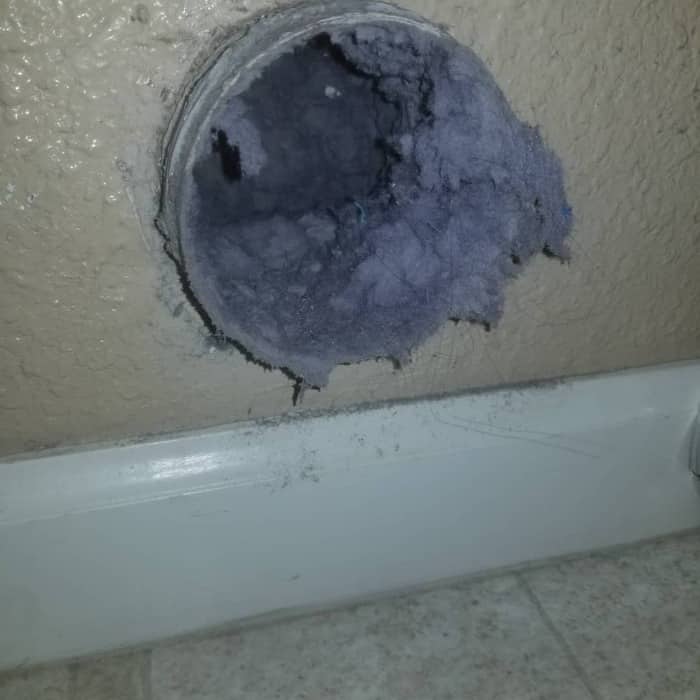
What’s Actually in Your Dryer Vent
When we clean dryer vents, homeowners are often shocked by what comes out. A typical cleaning removes far more debris than people expect.
Lint Accumulation
Lint is the primary concern, and the amount that accumulates is surprising. A vent that hasn’t been cleaned in several years may contain enough compressed lint to fill a grocery bag or more. This lint forms dense blockages, particularly at bends in the ductwork and where the vent connects to the exterior hood.
The lint closest to the dryer is usually loose and fluffy. Lint deeper in the vent often becomes compressed and matted, sometimes forming a solid plug that dramatically restricts airflow.
Bird Nests and Pest Debris
Dryer vents are warm, sheltered spaces that attract birds, rodents, and insects looking for nesting sites. We regularly find bird nests, rodent nesting materials, and insect accumulation in dryer vents, particularly in vents with damaged or missing exterior covers.
Pest debris combined with lint creates severe blockages and introduces additional fire risks. Animal nesting materials are often dry and highly flammable.
Water and Moisture Damage
When airflow is restricted, moisture that should exhaust outside condenses inside the vent. This moisture saturates lint, creating wet blockages that promote mold growth and cause vent deterioration from the inside.
In some cases, we find significant water accumulation in low points of improperly installed vent runs. This water damage can weaken vent connections and create leak points.
Debris from Deteriorating Vent Materials
Older flexible vinyl or foil ducts break down over time, shedding material into the vent system. Crushed or kinked sections of flexible duct trap lint and restrict airflow. We often find that deteriorated vent materials need replacement in addition to cleaning.
How Professional Dryer Vent Cleaning Works
Professional dryer vent cleaning goes far beyond what homeowners can accomplish with a brush kit from the hardware store. Here’s what the process involves:
Inspection
Before cleaning, technicians inspect the vent system to assess its condition, identify problem areas, and determine the best cleaning approach. This includes checking the vent path, looking for damage or disconnections, and examining the exterior vent cover.
For vents that can’t be easily traced visually, camera inspection may be used to identify blockages, damage, or pest intrusion inside the ductwork.
Disconnection and Access
The dryer is pulled away from the wall, and the vent duct is disconnected from the dryer exhaust port. This provides access to clean from the dryer connection point all the way to the exterior termination.
For roof-terminated vents or vents with complex routing, access may be established from the exterior end or at intermediate connection points.
High-Powered Vacuuming and Brushing
Professional equipment includes high-powered vacuums designed for vent cleaning and rotating brush systems that scrub the interior walls of the ductwork. The combination of mechanical brushing and vacuum extraction removes lint, debris, and buildup that clings to vent surfaces.
This equipment reaches the full length of the vent run and addresses accumulation throughout the system—not just the portions accessible from the dryer end.
Cleaning the Exterior Vent Cover
The exterior vent hood is cleaned and inspected. Lint often accumulates in the hood and around the damper flap, restricting airflow even when the duct itself is relatively clear. Damaged or deteriorated vent covers should be replaced to prevent pest entry and maintain proper operation.
Reconnection and Testing
After cleaning, the vent system is reconnected and the dryer is pushed back into position. The system is tested to verify proper airflow, and the technician confirms the exterior vent flap operates correctly when the dryer runs.
Recommendations for Repairs or Improvements
If cleaning reveals problems—damaged ductwork, improper materials, disconnected sections, or code violations—technicians note these issues and provide recommendations. Some situations require vent repair, replacement, or rerouting to ensure safe operation.
Dryer Vent Problems Beyond Lint Buildup
Cleaning addresses lint accumulation, but some vent systems have underlying problems that cleaning alone won’t solve.
Improper Vent Materials
Building codes require rigid or semi-rigid metal ductwork for dryer vents. However, many homes—especially older constructions or DIY installations—use flexible vinyl or thin foil ducts that are no longer considered safe.
Vinyl ducts can melt under high heat conditions. Thin foil ducts crush easily and trap lint in their ridged surfaces. If your vent system uses these materials, replacement with proper rigid or semi-rigid aluminum duct is recommended.
Excessive Vent Length
The longer the path from your dryer to the exterior, the harder it is to maintain proper airflow. Most dryer manufacturers specify maximum vent run lengths—typically 25-35 feet for straight runs, with reductions for each bend in the path.
Vents that exceed these lengths require more frequent cleaning and may never provide adequate airflow. In some cases, rerouting to create a shorter path or installing a booster fan is necessary.
Too Many Bends
Each 90-degree turn in a dryer vent reduces effective airflow and creates a point where lint accumulates more readily. Vent runs with multiple sharp bends are more prone to blockage than straight or gently curved paths.
If your vent has three or more 90-degree turns, more frequent cleaning is necessary. In severe cases, reconfiguring the vent path to reduce bends improves long-term performance.
Termination Problems
Dryer vents should terminate outside the home through a proper vent hood with a damper that opens when the dryer runs and closes when it stops. Problems occur when:
- Vents terminate in attics, crawlspaces, or garages instead of outside (fire and moisture hazard)
- Exterior hoods are missing, damaged, or clogged with debris
- Vent covers use screens that trap lint (screens are no longer recommended for dryer vents)
- Termination points are blocked by landscaping, snow, or other obstructions
Disconnected Sections
Vent connections can loosen over time, especially at joints and where the duct attaches to the dryer. Disconnected sections allow lint to escape into wall cavities or under floors—creating hidden fire hazards and reducing dryer efficiency.
Signs of disconnection include lint appearing behind or under the dryer, excessive lint in the laundry room, or sudden decreases in drying performance.
The Central Valley Factor: Why Local Conditions Matter
Homeowners in Modesto, Oakdale, Turlock, Tracy, Manteca, and throughout the Central Valley face some specific conditions that affect dryer vent maintenance.
Hot Summers Stress Dryer Systems
Central Valley summers regularly exceed 100 degrees. Your dryer exhausts air at approximately 125-135 degrees during operation. When outdoor temperatures are high, the temperature differential is reduced, which decreases exhaust efficiency.
A dryer working harder to exhaust hot air in an already-hot environment puts additional stress on components and makes adequate ventilation even more critical. Marginal vent restrictions that might be tolerable in cooler climates cause bigger problems in Central Valley heat.
Dust and Agricultural Particulates
The Central Valley’s agricultural environment means higher levels of airborne dust and particulates. While most of this doesn’t enter the dryer vent directly, dust accumulation around exterior vent covers can combine with lint and accelerate blockage.
Exterior vent hoods in dusty environments may need more frequent inspection and cleaning of the damper mechanism to ensure proper operation.
Bird and Pest Pressure
The region’s mild climate and abundant bird populations mean higher likelihood of birds attempting to nest in dryer vents during spring and early summer. Open or damaged vent covers are particularly vulnerable.
If you notice birds showing interest in your exterior vent cover, or if you hear scratching or chirping sounds from the vent area, inspection for nest material is recommended before running the dryer.
DIY vs. Professional Dryer Vent Cleaning
Homeowner brush kits are available at hardware stores, and some people attempt to clean their own dryer vents. Here’s an honest assessment of what DIY can and can’t accomplish:
What DIY Cleaning Can Address
- Lint accumulation in the first few feet of ductwork behind the dryer
- Cleaning the lint trap housing inside the dryer
- Basic cleaning of accessible rigid ductwork in short, straight runs
- Clearing visible debris from the exterior vent hood
What DIY Cleaning Typically Can’t Address
- Full cleaning of long vent runs (15+ feet)
- Adequate cleaning around bends and elbows where lint accumulates most
- Blockages deep in the vent system
- Identification of disconnections, damage, or improper installations
- Cleaning of roof-terminated vents or vents with complex routing
- Extraction of compressed, matted lint that has built up over years
When Professional Cleaning Is Necessary
- Vent runs longer than 10 feet
- Vents with multiple bends or elbows
- Vents terminating on the roof
- Vents that haven’t been cleaned in several years
- Situations where warning signs (long dry times, overheating, burning smell) are present
- Any time DIY cleaning doesn’t resolve performance problems
If you have a short, straight vent run and maintain it annually, basic DIY cleaning between professional services may be adequate. For longer, more complex installations—or if you’re catching up on neglected maintenance—professional cleaning is significantly more effective.
How Often Should You Clean Your Dryer Vent?
The standard recommendation is annual cleaning for most households. However, your specific situation may call for more frequent service:
Every 6 months:
- Large families doing laundry daily
- Households with pets (pet hair increases lint production significantly)
- Homes with long or complex vent runs
- Dryers used for commercial purposes or heavy home business use
Every 12 months:
- Average households with typical laundry volume
- Homes with relatively short, straight vent runs
- Well-maintained systems with no warning signs
Immediately, regardless of schedule:
- Any warning signs of restriction (long dry times, overheating, burning smell)
- After moving into a new home where maintenance history is unknown
- Following any event that might have disturbed the vent (construction, pest activity, dryer replacement)
Beyond Fire Safety: Other Benefits of Clean Dryer Vents
While fire prevention is the most important reason to clean dryer vents, there are additional benefits worth noting:
Reduced Energy Costs
A dryer with a clear vent works efficiently, completing cycles in normal time with normal energy consumption. A dryer with a restricted vent works harder, runs longer, and consumes more electricity or gas per load.
Households with heavily clogged vents often see noticeable reductions in utility bills after cleaning—sometimes saving $20-30 per month in energy costs.
Extended Dryer Lifespan
Heat stress from restricted airflow shortens dryer component life. The heating element cycles more frequently, the motor works harder, and thermal fuses trip prematurely. Dryers with clear vents typically last several years longer than those operating with chronic airflow restriction.
The cost of dryer vent cleaning is far less than the cost of dryer repairs or replacement.
Faster Drying Times
Clothes dry in one cycle instead of two. This saves time, reduces wear on clothing from excessive heat exposure, and eliminates the frustration of running the same load multiple times.
Reduced Moisture Problems
Proper exhaust ventilation removes moisture from your home. Restricted vents can cause humidity buildup in laundry areas, leading to condensation, mold growth, and musty odors. Clear vents maintain proper moisture management.
Dryer Vent Cleaning Costs in the Central Valley
Professional dryer vent cleaning in the Modesto, Oakdale, and greater Central Valley area typically costs between $100 and $200, depending on vent length, accessibility, and condition.
Factors that affect pricing:
- Length of vent run
- Number of bends and complexity of routing
- Ground-level vs. roof termination
- Current condition and severity of blockage
- Whether repairs or component replacement is needed
Most professional services provide clear pricing before beginning work. The cost of annual vent cleaning is minimal compared to the potential cost of a dryer fire, appliance repair, or inflated energy bills.
Frequently Asked Questions
How do I know if my dryer vent goes to the roof or the wall?
Look for an exterior vent cover on your home’s exterior walls near where your laundry room is located. If you can’t find one at ground level, your vent likely terminates on the roof. You can also try running the dryer and checking for airflow at potential termination points.
Is it safe to use my dryer if I suspect the vent is clogged?
If you notice warning signs of a clogged vent—especially a burning smell—stop using the dryer until the vent is inspected and cleaned. The risk of fire increases with each use when ventilation is compromised.
How long does professional dryer vent cleaning take?
Most cleanings take 30-60 minutes depending on vent length and accessibility. Complex installations or severely clogged vents may take longer.
Can I clean just part of the vent myself and have a professional do the rest?
You can clean the accessible portion behind the dryer between professional cleanings, but this doesn’t replace periodic professional cleaning of the full vent system. Lint accumulates throughout the entire run, not just near the dryer.
My dryer vent is connected to my neighbor’s in a duplex. How does that work?
Shared or connected vent systems in multi-family housing require coordination with your neighbor or property manager. These systems should still be cleaned regularly, and both units benefit from the service.
Should I clean the vent when I buy a new dryer?
Yes. The existing vent may have years of accumulated lint that will restrict your new dryer’s performance and create fire risk. Starting with a clean vent ensures your new appliance operates efficiently and safely.
What’s the difference between cleaning the lint trap and cleaning the vent?
The lint trap is inside your dryer and should be cleaned after every load. The vent is the ductwork running from your dryer to the outside of your home—a separate system that requires periodic professional cleaning.
About Black Diamond Services
Black Diamond Services is a family-owned cleaning company based in Oakdale, California, serving Stanislaus and San Joaquin counties since 2017. Founded by Nolan and Janel Hill, Black Diamond has earned over 275 five-star reviews by treating every home like our own.
We provide professional dryer vent cleaning using commercial equipment that clears lint and debris from the full length of your vent system. Our technicians inspect for damage, improper materials, and code violations, providing recommendations when repairs or improvements are needed.
Our services include carpet cleaning, house cleaning, tile and grout cleaning, rug cleaning, upholstery cleaning, hardwood floor cleaning, luxury vinyl plank cleaning, natural stone cleaning, and dryer vent cleaning throughout Oakdale, Modesto, Turlock, Tracy, Manteca, Ripon, Riverbank, Hughson, Escalon, Salida, Denair, and surrounding Central Valley communities.
Every job includes our 100% satisfaction guarantee, transparent pricing with no hidden fees, and the personalized service you’d expect from a local, family-operated business.
When was the last time your dryer vent was cleaned? Call Black Diamond Services at (209) 264-8898 for a free estimate.
Last updated: March 2026